
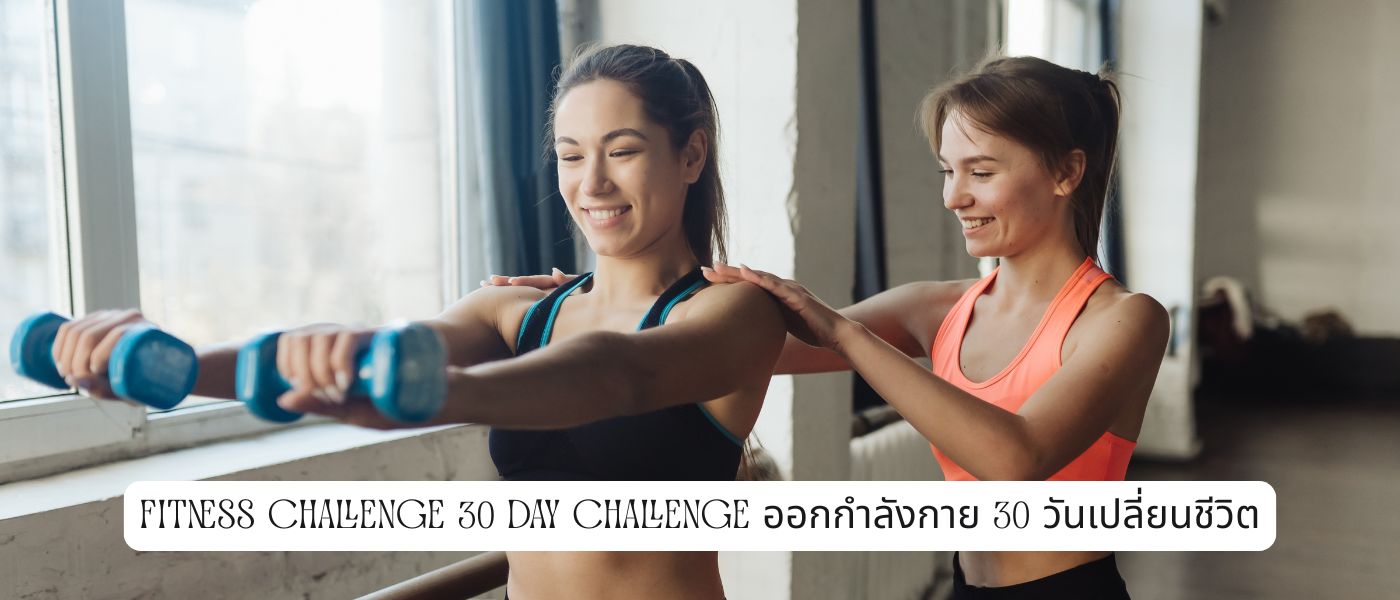
challenge ออกกําลังกาย 30 วันคืออะไร ทำไมถึงเปลี่ยนชีวิตได้จริง
หลักการพื้นฐานของการทำ challenge 30 วัน
challenge 30 วัน คือการตั้งเป้าหมายออกกำลังกายต่อเนื่องเป็นเวลา 30 วันติดต่อกัน โดยมีตารางและท่าฝึกที่ชัดเจน ไม่ใช่แค่ออกกำลังกายแบบสุ่ม แต่เป็นการวางแผนเพิ่มความหนักทีละน้อย อย่างเป็นระบบ ทำให้ร่างกายค่อยๆ ปรับตัวและพัฒนาขึ้นในทุกสัปดาห์
จุดเด่นของ challenge แบบนี้คือ “ความต่อเนื่อง” ซึ่งสำคัญกว่าความหนักของการออกกำลังกายมาก เพราะการขยับร่างกายทุกวันแม้เพียง 20-30 นาที จะสร้างผลลัพธ์ที่ดีกว่าการออกกำลังกายหนักๆ แค่ 1-2 ครั้งต่อสัปดาห์
ทำไม “30 วัน” ถึงเป็นระยะเวลาทองในการสร้างนิสัยใหม่
งานวิจัยด้านพฤติกรรมศาสตร์พบว่าระยะเวลา 21-30 วัน คือช่วงที่สมองเริ่มสร้างเส้นทางประสาทใหม่จนการกระทำซ้ำๆ กลายเป็นนิสัยอัตโนมัติ พูดง่ายๆ คือเมื่อคุณทำได้ครบ 30 วัน ร่างกายจะเริ่ม “ติด” การออกกำลังกาย โดยไม่ต้องฝืนเหมือนช่วงแรกๆ
นี่คือเหตุผลที่ challenge แบบ 30 วัน ให้ผลดีกว่าการตั้งเป้าระยะยาว 3-6 เดือน เพราะเป้าหมายระยะสั้นทำให้สมองมองเห็นเส้นชัยได้ชัดเจน ลดความรู้สึกท้อแท้ และเพิ่มแรงจูงใจในการทำต่อ
ผลลัพธ์ที่คาดหวังได้เมื่อทำครบกำหนด
หลังจบ 30 วัน คุณจะสังเกตเห็นการเปลี่ยนแปลงหลายด้าน ทั้งน้ำหนักที่ลดลง 1-3 กิโลกรัม (ขึ้นอยู่กับโภชนาการ) กล้ามเนื้อกระชับขึ้น พละกำลังเพิ่มขึ้นชัดเจน และที่สำคัญคือ คุณภาพการนอนและพลังงานในแต่ละวันดีขึ้นมาก
⚡ SHRED & GLOW ⚡
ประโยชน์ของ challenge ออกกําลังกาย 30 วันที่มากกว่าแค่รูปร่าง
เปลี่ยนแปลงด้านร่างกาย ลดไขมัน เพิ่มกล้ามเนื้อ
ประโยชน์ที่เห็นได้ชัดที่สุด คือการเปลี่ยนแปลงทางกายภาพ การออกกำลังกายต่อเนื่อง 30 วัน จะช่วยเร่งระบบเผาผลาญ ลดไขมันสะสมโดยเฉพาะรอบเอวและหน้าท้อง พร้อมเสริมสร้างกล้ามเนื้อให้แข็งแรง และกระชับขึ้น
หัวใจและปอดยังทำงานได้มีประสิทธิภาพมากขึ้น ส่งผลให้คุณรู้สึกเหนื่อยน้อยลง เมื่อต้องเดินขึ้นบันได หรือทำกิจกรรมในชีวิตประจำวันที่เคยเหนื่อยง่าย
ผลดีต่อสุขภาพจิตและความมั่นใจในตัวเอง
การออกกำลังกาย ช่วยกระตุ้นการหลั่งสารเอ็นโดรฟินและเซโรโทนิน ซึ่งเป็นฮอร์โมนแห่งความสุข ทำให้อารมณ์ดีขึ้น ความเครียดลดลง และคุณภาพการนอนดีขึ้นอย่างชัดเจน หลายคนที่ทำ challenge สำเร็จ มักรายงานว่ารู้สึกเป็นเวอร์ชันที่ดีที่สุดของตัวเอง
นอกจากนี้ การบรรลุเป้าหมายที่ตั้งไว้ ยังสร้างความมั่นใจในตัวเอง คุณจะรู้สึกว่าตัวเองมีวินัย และสามารถทำสิ่งที่ตั้งใจให้สำเร็จได้ ความรู้สึกนี้จะส่งต่อไปยังด้านอื่นๆ ของชีวิตด้วย
สร้างวินัยและไลฟ์สไตล์ที่ติดตัวระยะยาว
สิ่งที่มีค่าที่สุดของการทำ challenge ไม่ใช่ผลลัพธ์ในวันที่ 30 แต่คือนิสัยใหม่ที่เกิดขึ้น เมื่อคุณฝึกตัวเองให้ออกกำลังกายต่อเนื่องได้แล้ว มันจะกลายเป็นส่วนหนึ่งของชีวิต ไม่ใช่ภาระที่ต้องฝืนทำอีกต่อไป
ตั้งเป้าหมายให้ชัดเจนก่อนเริ่ม challenge ออกกําลังกาย 30 วัน
เป้าหมายที่ดีต้องวัดผลได้ ไม่ใช่แค่ “อยากผอม” หรือ “อยากแข็งแรง” แต่ควรระบุชัดเจน เช่น ลดน้ำหนัก 2 กิโลกรัม ทำ Push-up ติดต่อกันได้ 20 ครั้ง หรือวิ่งได้ 5 กิโลเมตร โดยไม่หยุด
แนะนำให้จดเป้าหมายลงในสมุด หรือแอปบนมือถือ พร้อมถ่ายรูปร่างกายก่อนเริ่ม วัดรอบเอว รอบสะโพก และชั่งน้ำหนัก เพื่อใช้เปรียบเทียบผลลัพธ์เมื่อจบ challenge
เตรียมอุปกรณ์และจัดพื้นที่ออกกำลังกายที่บ้าน
ข่าวดีคือคุณไม่จำเป็นต้องสมัครฟิตเนส อุปกรณ์พื้นฐานที่แนะนำมีแค่เสื่อโยคะ ดัมเบลคู่หนึ่ง (เริ่มที่ 2-5 กิโลกรัม) และยางยืดออกกำลังกาย ทั้งหมดนี้ใช้งบประมาณไม่เกิน 1,000 บาท แต่เพียงพอสำหรับการฝึกครบทุกกล้ามเนื้อ
จัดพื้นที่ออกกำลังกายที่บ้านขนาดประมาณ 2×2 เมตร เลือกบริเวณที่อากาศถ่ายเทดี มีแสงสว่างพอ และไม่มีสิ่งรบกวน การมีพื้นที่เฉพาะ จะช่วยให้จิตใจพร้อมเข้าสู่โหมดออกกำลังกายได้ง่ายขึ้น
วางแผนโภชนาการให้สอดคล้องกับการออกกำลังกาย
การออกกำลังกายอย่างเดียวไม่พอ ต้องคุมอาหารควบคู่ไปด้วย หลักการง่ายๆ คือเพิ่มโปรตีน (เนื้อสัตว์ไม่ติดมัน ไข่ ถั่ว) ลดแป้งขัดสีและน้ำตาล เพิ่มผักทุกมื้อ และดื่มน้ำให้ได้วันละ 2-3 ลิตร
ตารางท่าออกกำลังกาย 30 วันแบบสัปดาห์ต่อสัปดาห์
สัปดาห์ที่ 1 (วันที่ 1–7) ปรับร่างกายให้คุ้นเคย
สัปดาห์แรกเน้นการสร้างความคุ้นเคย ใช้เวลาออกกำลังกายวันละ 15-20 นาที ท่าพื้นฐานคือ Squat 3 เซต x 10 ครั้ง, Push-up (เข่าลงพื้นได้) 3 เซต x 8 ครั้ง, Plank 3 เซต x 20 วินาที และเดินเร็ว 15 นาที อย่ารู้สึกผิดถ้ายังเหนื่อยง่าย นี่คือช่วงปรับตัว ร่างกายกำลังเรียนรู้รูปแบบใหม่
สัปดาห์ที่ 2 (วันที่ 8–14) เพิ่มความเข้มข้นแบบค่อยเป็นค่อยไป
เพิ่มเวลาเป็น 25-30 นาที จำนวนเซตและครั้งเพิ่มขึ้น 30% เพิ่มท่า Lunge และ Mountain Climber เข้ามาในชุดท่า สลับวันคาร์ดิโอกับเวทเทรนนิ่ง เพื่อให้กล้ามเนื้อมีเวลาฟื้นตัว
สัปดาห์ที่ 3 (วันที่ 15–21) เร่งเผาผลาญและสร้างกล้ามเนื้อ
นำเทคนิค HIIT (High Intensity Interval Training) เข้ามาใช้ ออกกำลังกาย 30 วินาที สลับพัก 15 วินาที ทำต่อเนื่อง 20 นาที ช่วงนี้คุณจะรู้สึกว่าร่างกายเริ่มแข็งแรง และไขมันเริ่มลดอย่างเห็นได้ชัด
สัปดาห์ที่ 4 (วันที่ 22–30) พิชิตเป้าหมายขั้นสุดท้าย
สัปดาห์สุดท้ายทำเต็มที่ 35-45 นาที ผสม HIIT, ฝึก Strength และคาร์ดิโอเข้าด้วยกัน ลองท้าทายตัวเองด้วยท่ายากขึ้น เช่น Burpee, Jump Squat หรือ Diamond Push-up
⚡ MIND OVER MATTER ⚡
เคล็ดลับเอาชนะอุปสรรคระหว่างทำ challenge ออกกําลังกาย 30 วัน
รับมือกับวันที่ขี้เกียจและไม่อยากออกกำลังกาย
ทุกคนต้องเจอวันแบบนี้ ทริคคือ “กฎ 5 นาที” แค่บอกตัวเองว่าจะออกกำลังกายแค่ 5 นาที ถ้าครบ 5 นาทีแล้วยังไม่อยากทำต่อ ก็หยุดได้ แต่ส่วนใหญ่เมื่อเริ่มแล้วจะทำต่อจนครบเซต
วิธีจัดการอาการปวดเมื่อยและการพักฟื้นที่ถูกต้อง
อาการ DOMS (กล้ามเนื้อปวดหลังออกกำลังกาย) เป็นเรื่องปกติในช่วงแรก แก้ได้ด้วยการยืดเหยียดหลังออกกำลังกาย ดื่มน้ำมากๆ และนอนให้ครบ 7-8 ชั่วโมง หากปวดมากให้สลับเป็นวันคาร์ดิโอเบาๆ หรือโยคะแทน
สร้างแรงจูงใจด้วยการบันทึกความก้าวหน้ารายวัน
ถ่ายรูปทุก 7 วัน บันทึกน้ำหนักและรอบเอวสัปดาห์ละครั้ง การเห็นการเปลี่ยนแปลง เป็นแรงผลักดันที่ดีที่สุด ลองเข้าร่วมกลุ่มออนไลน์ หรือชวนเพื่อนทำพร้อมกัน เพื่อให้มีคนคอยให้กำลังใจ
ประเมินผลลัพธ์และเซ็ตเป้าหมายใหม่
หลังครบ 30 วัน ใช้เวลา 1-2 วันประเมินผล เทียบรูปก่อน-หลัง วัดน้ำหนัก รอบเอว และจดบันทึกว่าอะไรได้ผล และอะไรต้องปรับปรุง จากนั้นตั้งเป้าหมายใหม่สำหรับ 30 วันถัดไป อาจเป็นการเพิ่มน้ำหนักดัมเบล เพิ่มความซับซ้อนของท่า หรือเปลี่ยนรูปแบบไปเป็นโยคะ วิ่ง หรือว่ายน้ำ
ต่อยอดสู่ไลฟ์สไตล์สุขภาพดีอย่างยั่งยืน
อย่าหยุดเมื่อจบ 30 วัน ปรับให้การออกกำลังกาย 4-5 ครั้งต่อสัปดาห์ กลายเป็นส่วนหนึ่งของชีวิต ผสมผสานกิจกรรมหลากหลายเพื่อไม่ให้เบื่อ และอย่าลืมว่าวันพักก็สำคัญพอๆ กับวันออกกำลังกาย เพราะร่างกายต้องการเวลาซ่อมแซมตัวเอง เพื่อให้แข็งแรงขึ้น
⚡ CYBER POP FAQ ⚡
คำถามที่พบบ่อยเกี่ยวกับ challenge ออกกําลังกาย 30 วัน (FAQ)
ถ้าพลาดวันใดวันหนึ่งระหว่างทำ challenge ต้องเริ่มต้นนับ 1 ใหม่ไหม?
ไม่ต้อง การพลาด 1-2 วันใน 30 วันถือเป็นเรื่องปกติ ทำต่อจากวันที่หยุดได้เลย สิ่งสำคัญคืออย่าให้พลาดติดต่อกันเกิน 2 วัน เพราะจะทำให้แรงผลักดันหายไป และกลับมาเริ่มยากขึ้น
challenge ออกกําลังกาย 30 วันเหมาะกับมือใหม่ที่ไม่เคยออกกำลังกายเลยไหม?
เหมาะมาก เพราะเป็นโปรแกรมที่เพิ่มความหนักทีละน้อย ไม่ได้บังคับให้คุณออกกำลังกายหนัก ตั้งแต่วันแรก ถ้าเป็นมือใหม่ที่ไม่เคยออกกำลังกายเลย แนะนำให้เริ่มจากท่าง่ายๆ และเดินเร็วก่อน แล้วค่อยๆ เพิ่มความหนัก หากมีโรคประจำตัวควรปรึกษาแพทย์ก่อนเริ่ม
ออกกำลังกายอย่างเดียวไม่คุมอาหาร จะเห็นผลใน 30 วันไหม?
เห็นผลได้บ้าง แต่จะช้ามาก เพราะการลดน้ำหนัก 80% มาจากอาหาร และ 20% จากการออกกำลังกาย ถ้าอยากเห็นผลชัดเจนใน 30 วัน ควรลดน้ำตาลและแป้งขัดสี เพิ่มโปรตีน ผัก และดื่มน้ำมากๆ ควบคู่ไปด้วย